City & Culture
1 min read
Sri Lanka
The Ultimate Sri Lanka Travel Guide
Discover ancient temples, lush tea plantations, pristine beaches, and incredible wildlife in this comprehensive Sri Lanka guide.
By AmazingHolidays Admin
Best Time
December–April (west & south coast), May–September (east coast)
Language
Sinhala, Tamil
Currency
LKR
Visa
ETA required (30 days), available online
Tours
6 curated tours
Compact island paradise with tea plantations, wildlife safaris, ancient cities, and pristine coastline — all within a few hours' drive.
The experiences and attractions that make Sri Lanka an unforgettable destination.
Explore UNESCO World Heritage Sites including Sigiriya Rock Fortress and the sacred city of Anuradhapura.
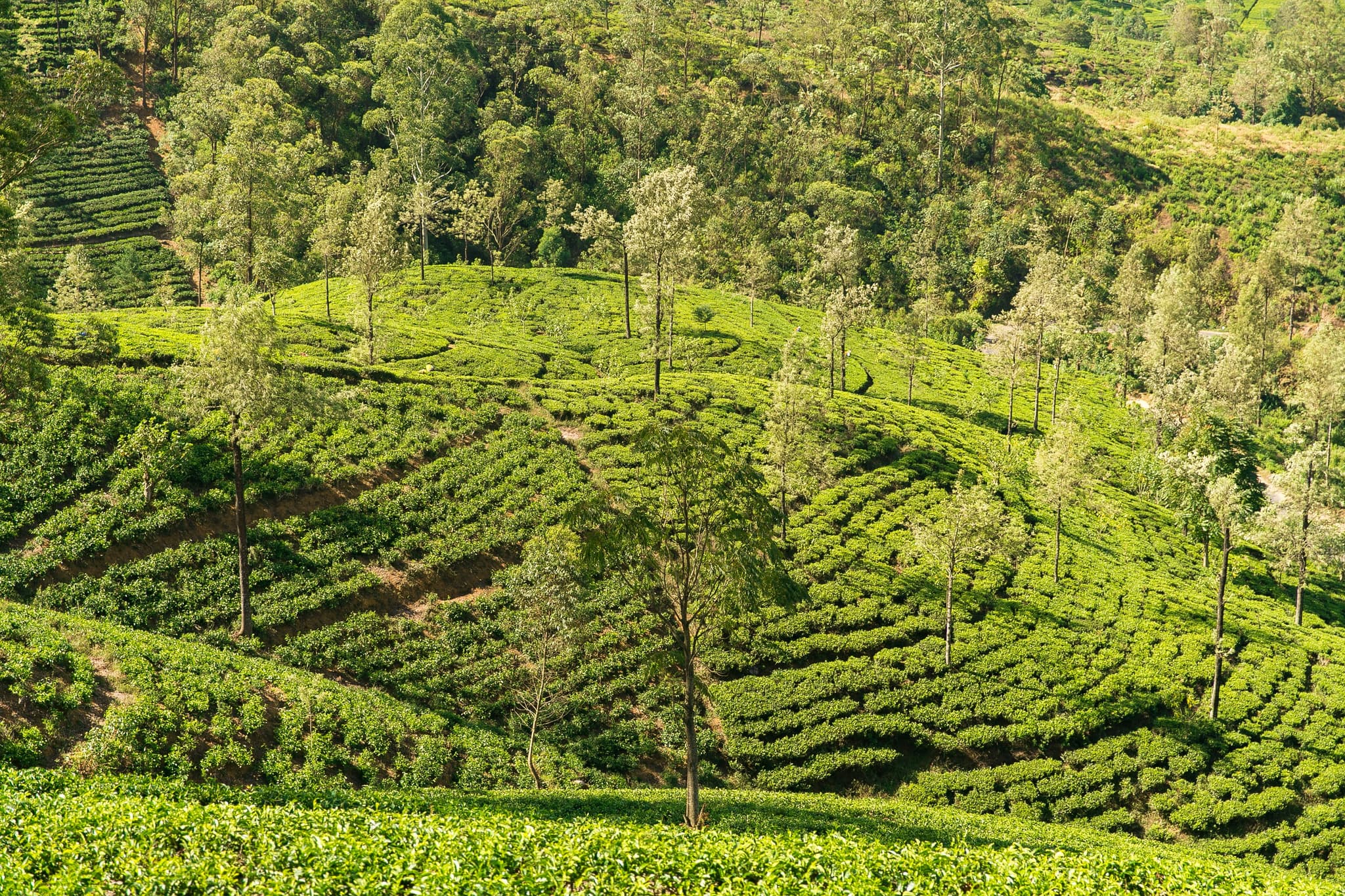
Journey through misty highlands and rolling tea plantations in Nuwara Eliya and Ella.
Relax on golden sands from Unawatuna to Mirissa, with world-class surfing at Arugam Bay.
Spot leopards in Yala, elephants in Minneriya, and blue whales off the southern coast.
Sri Lanka has been inhabited continuously for at least 125,000 years. Two and a half millennia of recorded history have layered Buddhist kingdoms, Tamil dynasties, three European colonial powers, and an independent republic onto an island the size of Ireland. You're never far from a ruin, a stupa, or a colonial fort.
543 BCE – 11th century
Prince Vijaya's mythic arrival from north India founds the Sinhalese line. Buddhism arrives in 247 BCE through the missionary Mahinda; the sacred Bodhi tree at Anuradhapura, planted in 288 BCE, is the oldest historically recorded tree on earth. Massive stupas — Ruwanwelisaya, Jetavanaramaya — and sophisticated reservoir systems define the era.
11th – 13th century
After Chola invasions, the capital shifts south-east to Polonnaruwa. King Parakramabahu I (1153–1186) rebuilds the irrigation network and famously declares 'not even a drop of rain should reach the sea unused'. The carved standing Buddha at Gal Vihara dates from this period.
13th – 16th century
The kingdom fragments and the capital drifts — Dambadeniya, Yapahuwa, Kurunegala, Kotte — as climate, malaria, and Tamil incursions push the centre of power. The Jaffna Kingdom emerges in the north as a separate Tamil polity.
1505 – 1658
The Portuguese arrive at Galle by accident in 1505 chasing cinnamon. They convert coastal populations to Catholicism (still visible today), build the first European forts, and lose the highlands to the Kandyan kingdom which never falls to a foreign power militarily.
1658 – 1796
The Dutch East India Company displaces the Portuguese. They expand the Galle Fort, codify Roman-Dutch law (still partly in force), and build the canal network of the south-west coast. Burgher communities of mixed Dutch–Sri Lankan descent date from this era.
1796 – 1948
Britain takes the maritime provinces from the Dutch and finally annexes the Kandyan highlands in 1815 — the only time the central kingdom is conquered. Tea replaces coffee after the leaf-rust collapse of the 1870s. Tamil labourers are brought from south India to work the estates, creating the 'Plantation Tamil' community distinct from the older Jaffna Tamils.
1948 – 1983
Independence on 4 February 1948. The country renames itself Sri Lanka in 1972. Ethnic tensions between Sinhalese majority and Tamil minority, simmering since the colonial era, escalate after the 1956 Sinhala Only Act and the 1983 'Black July' riots.
1983 – 2009
A 26-year armed conflict between the government and the LTTE for a separate Tamil state in the north and east. The war ends in May 2009. The 2004 Indian Ocean tsunami, in the middle of the war, kills over 35,000 people on the island.
2009 – present
Reconstruction, tourism boom, then the 2019 Easter bombings and the 2022 economic crisis that ousted the Rajapaksa government. The country is rebuilding under an IMF programme; tourism and remittances remain economic anchors.
Sri Lanka is small but varied. Different regions deliver wildly different experiences — these are the ones worth knowing before you plan.
The historical heartland between Anuradhapura, Polonnaruwa, and Kandy. Five of the country's eight UNESCO World Heritage sites sit inside this triangle, including the lion-rock fortress at Sigiriya and the cave temples at Dambulla.
Best for: History, archaeology, Buddhist heritage
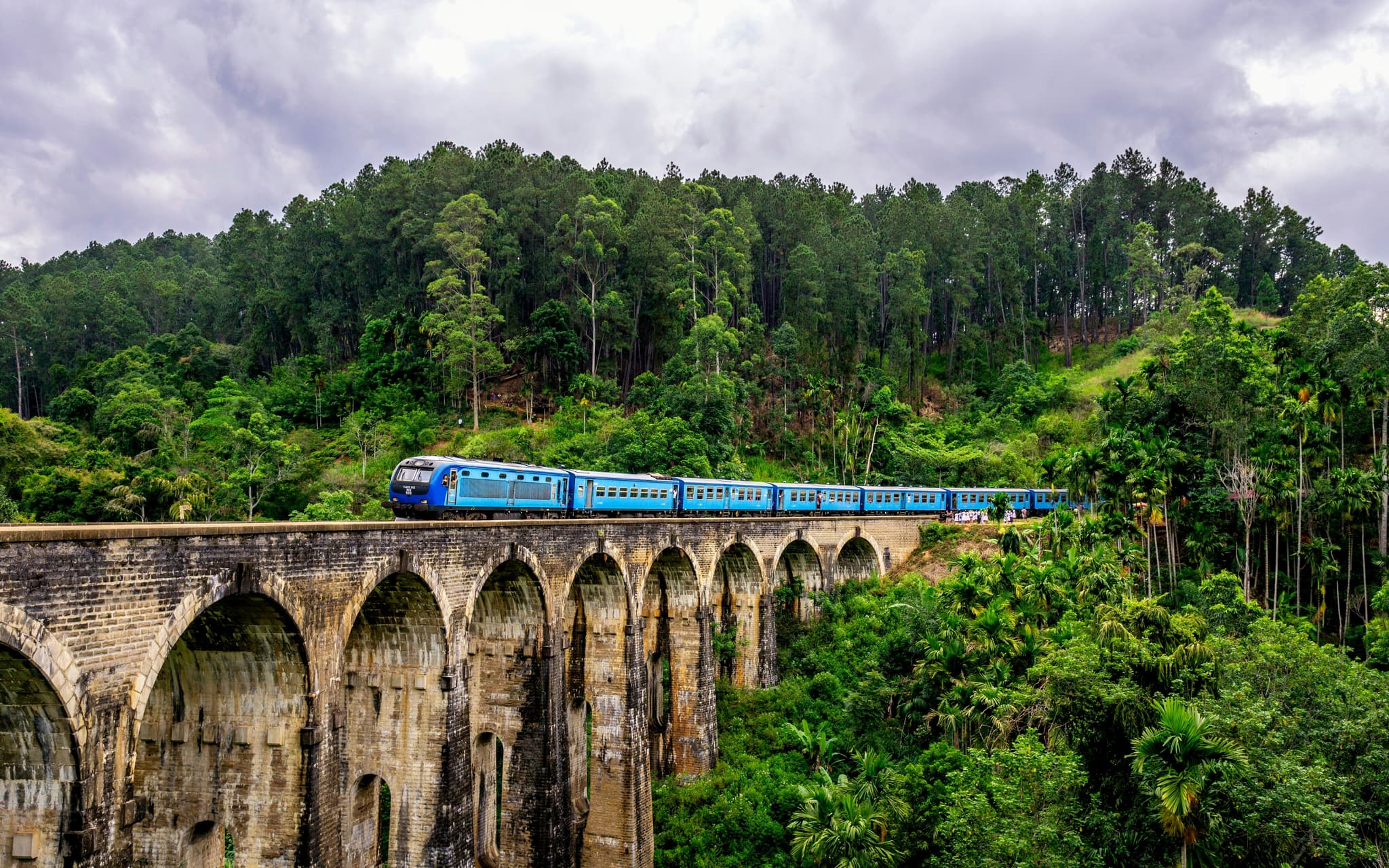
Tea estates, eucalyptus mist, and cool nights. Kandy is the gateway; Nuwara Eliya, at 1,868m, was the British colonial summer capital and still feels mock-Tudor. Ella has become the backpacker hub thanks to the Nine Arch Bridge and easy hiking.
Best for: Cool weather, hiking, train journeys, tea
Beach towns linked by the Galle Road (and now the Southern Expressway). Galle Fort itself is a walkable Dutch–British colonial town. Further along, Mirissa and Weligama are surf and whale-watching bases.
Best for: Beaches, surfing, colonial architecture, Dec–Apr
The opposite-season beaches. While the south-west monsoon hits the south coast May–September, the east coast — Trincomalee, Pasikuda, Arugam Bay — is at its best in those same months. Less developed, often emptier.
Best for: Surf and beaches May–Sep, off-season alternative
The dry-zone parks. Yala has the highest density of leopards in the world; Bundala is the bird sanctuary; Udawalawe is the place for elephants in herds. Roads are dusty, lodges range from rustic to luxurious tented.
Best for: Wildlife, safaris, Feb–Jul
Tamil heartland, off the standard tourist track until recently. Jaffna is culturally closer to Tamil Nadu than to Colombo — different food, different temples, different rhythm. Quiet, flat, hot, fascinating.
Best for: Culture, off-the-beaten-path travel, food
Most travelers land here. Colombo has gone from sleepy port to a real city in the last decade — Galle Face Green for sunset, Pettah's markets, fast-improving restaurant scene. Negombo, near the airport, is a soft landing or final-night base.
Best for: Arrival/departure, city food, Dec–Apr beaches
There is no single ‘best time’ for Sri Lanka — the two monsoons split the calendar across the country. Use this as a planning grid.
December – April
May – September
January – March
January – April
February – July
February – September
| Region | When | Weather | Notes |
|---|---|---|---|
| South & West Coasts (Galle, Mirissa, Bentota) | December – April | Dry, 28–32°C. Calm seas. | Peak tourist season. Whale watching at Mirissa runs Nov–Apr. May–Sep is south-west monsoon — book east coast instead. |
| East Coast (Trincomalee, Arugam Bay) | May – September | Dry on this side, 28–32°C. Surf swells. | The opposite-season beach. Arugam Bay's main surf season peaks Jun–Aug. |
| Cultural Triangle (Sigiriya, Polonnaruwa) | January – March | Hot and dry, 30–34°C. Low humidity. | Climb Sigiriya by 7am to beat the sun. April–June is brutally hot. Oct–Dec gets second-monsoon rain. |
| Hill Country (Kandy, Nuwara Eliya, Ella) | January – April | Cool 15–24°C, can be cold at night above 1,500m. | Pack layers. Nuwara Eliya in April is 'the season' — colonial town gets crowded with Colombo families. |
| Wildlife Parks (Yala, Udawalawe) | February – July | Dry, 30–35°C. | Yala Block 1 closes annually for maintenance, usually Sep 1 – Oct 15 — confirm before booking. |
| North (Jaffna) | February – September | Hot and dry, 30–35°C. | Avoid Oct–Jan north-east monsoon. The Nallur festival in late August is worth scheduling around. |
Sri Lankan food is built around rice and curry, but that simple description hides a tremendous range — coconut milk, curry leaves, pandan, cinnamon, cardamom, and chillies dialled from gentle to fiery. Every region has its own signature: coastal kitchens lean on seafood, the hill country prizes vegetable preparations, and Tamil and Muslim communities add their own dishes to the table. Eat with your right hand at least once; food tastes different that way.
The national meal — a plate of rice ringed by 4–7 small curries (lentil 'parippu', a vegetable, a meat or fish, sambol, and chutneys). Each curry is cooked separately so flavours stay distinct.
Bowl-shaped pancakes made from fermented rice flour and coconut milk, crispy at the edges and soft in the middle. The egg hopper, with a sunny-side egg cooked into the centre, is a breakfast staple.
Shredded godhamba flatbread chopped on a hot griddle with vegetables, egg, meat, and curry sauce. The rapid-fire metallic chopping is the soundtrack of Sri Lankan night streets.
Fresh grated coconut pounded with red chilli, lime, onion, and Maldive fish. Eaten with almost everything — it's the table salt of Sri Lankan cooking.
A Burgher-Dutch contribution: rice cooked in stock then wrapped in banana leaf with mixed-meat curry, fried boiled egg, eggplant relish and seeni sambol, then baked. Special-occasion food.
Milk rice cut into diamonds, eaten plain with lunu miris (chilli paste) or jaggery for breakfast on the first of every month and at New Year. A small dish that signals celebration.
Wood apple ('divul') tastes like sour, fermented dates and is whipped into shakes. Thambili — orange king coconut — is sold roadside; it rehydrates better than anything bottled.
More than a drink — a national identity. Try high-grown teas from Nuwara Eliya for delicacy, mid-grown Kandy for body. Add milk Indian-style or drink it plain in pots like the British.
Sri Lanka has two official languages — Sinhala (~75% of the population) and Tamil (~15%) — plus widespread English in tourism and government. Locals respond warmly to even a few words in their language. Sinhala is the lingua franca everywhere except the Tamil-majority north and east.
Ayubowan
ah-yu-BO-wan
Hello / may you live long (formal)
Istuti
IS-tu-ti
Thank you
Karunakara
ka-ru-NA-ka-ra
Please
Owu
OH-vu
Yes
Nā
NAH
No
Kohomada?
ko-HO-ma-da
How are you?
Mokakda nama?
MO-kak-da NA-ma
What's your name?
Mage nama …
MA-ge NA-ma
My name is …
Mata terenne nā
MA-ta te-REN-ne NAH
I don't understand
Kīyada?
KEE-ya-da
How much?
Vatura
VA-tu-ra
Water
Sundara
SUN-da-ra
Beautiful
Vanakkam
va-NAK-kam
Hello
Nandri
NAN-dri
Thank you
Tayavu seydhu
ta-ya-vu SAY-thu
Please
Aamaa
AH-mah
Yes
Illai
IL-lai
No
Eppadi irukkīrīrgaḷ?
ep-PA-di i-RUK-ki-reer-gal
How are you?
Evvaḷavu?
EV-va-la-vu
How much?
Tanneer
TAN-neer
Water
Puriyavillai
pu-ri-ya-VIL-lai
I don't understand
Money, manners, plugs, water — the unglamorous things you want to get right before you arrive.
The Sri Lankan rupee (LKR / Rs). ATMs are widespread in cities and tourist towns; small shops, tuk-tuks, and rural areas remain cash-first. Card acceptance is good in mid-range hotels and up. Carry small notes for tuk-tuks and tea stalls.
Not strictly mandatory but expected in tourism. ~10% in restaurants if no service charge is added; Rs 200–500 per bag for porters; Rs 500–1000 per day for safari and tour drivers. Round up tuk-tuk fares.
Cover shoulders and knees; remove shoes and hats before entering the inner shrine. Don't pose with your back to a Buddha image — it's considered disrespectful and can land you in real legal trouble (deportations have happened over Buddha tattoos and selfies).
Sri Lankans often tilt their head from side to side. It generally means 'yes', 'okay', or 'I'm listening' — not 'no' or 'I disagree'. Took the British a century to figure out.
Many Sri Lankans eat with their right hand even in formal settings. The left is considered unclean. Cutlery is always available at restaurants — but try eating rice and curry by hand at least once. There's a technique to it.
Expected at markets, with tuk-tuk drivers without meters, and at souvenir stalls — not in supermarkets, restaurants, or proper shops. Start at roughly 50–60% of the asking price and meet in the middle. Always do it with a smile.
Always ask before photographing people, especially at religious sites. Photographing certain government buildings, military bases, and dams is prohibited and signs are not always in English.
Don't drink from the tap. Bottled water is everywhere and cheap (Rs 100–150 for 1.5L). Higher-end hotels often provide refill stations to cut plastic. Ice in tourist areas is generally made from filtered water but can be hit-or-miss elsewhere.
230V, 50Hz. The dominant socket is Type D (three large round pins) with Type G (UK three-pin) increasingly common. A universal adapter handles both. Power cuts are rarer than they were during the 2022 crisis but worth keeping a powerbank.
Pick up a tourist SIM at the airport — Dialog and Mobitel both have desks in arrivals with packages around Rs 1,500–2,500 for a few weeks of generous data. Coverage is excellent on the south, west, and central regions; thinner in the deep east and north.
No vaccinations are required, but Hepatitis A, Typhoid and routine boosters are recommended. Dengue is the main mosquito risk, especially in the wet season — use repellent. Malaria has been eliminated since 2016. Pharmacies are well-stocked and inexpensive.
0 of 27 items packed
0% complete
ETA required (30 days), available online
View detailed visa requirementsTime your visit to experience the vibrant cultural celebrations of Sri Lanka.
The most important cultural festival with traditional games, food, and family gatherings.
A grand 10-day procession of decorated elephants, drummers, and dancers in Kandy.
Celebration of Buddha's birth, enlightenment, and passing with illuminated pandals and lanterns.
Festival of lights celebrated by the Tamil community with oil lamps and fireworks.
In-depth articles to help you plan your perfect trip.

Sri Lanka

Sri Lanka

Sri Lanka

Sri Lanka

Sri Lanka

Sri Lanka
Browse our curated tours and find the perfect adventure for you. With flexible cancellation and secure payments, you can book with confidence.